Shizuka Gardens: A Masterclass in Sustainable Luxury Hospitality
June 12, 2025
As the world becomes increasingly digital, the integration of smart technology in architecture is no longer a luxury but a necessity. Saisei, a leader in sustainable architecture, is at the forefront of this trend, seamlessly blending cutting-edge technology with eco-friendly design. This article explores how Saisei integrates smart technology into their projects to create buildings that are not only sustainable but also highly functional and responsive to the needs of their occupants.
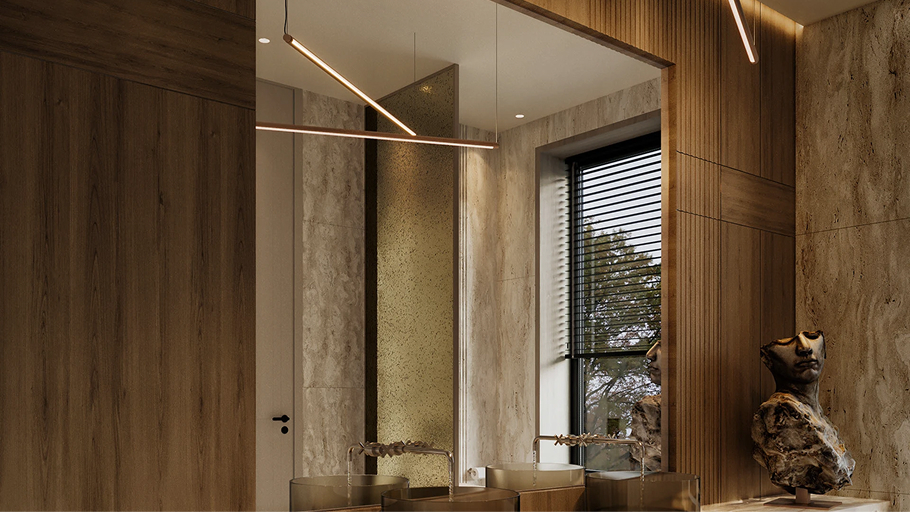
The Role of Smart Technology in Sustainable Architecture
Smart technology plays a pivotal role in enhancing the sustainability of modern buildings. By incorporating systems that monitor and optimize energy use, regulate environmental conditions, and improve overall efficiency, architects can significantly reduce a building’s carbon footprint. Saisei leverages these technologies to create spaces that are both energy-efficient and adaptable to changing conditions, setting a new standard for sustainable design.
Key Smart Technologies Used by Saisei
Saisei’s approach to smart technology is holistic, incorporating a variety of systems that work together to enhance both sustainability and user experience:
- Smart Energy Management Systems: Saisei’s buildings are equipped with advanced energy management systems that automatically adjust heating, cooling, and lighting based on real-time occupancy and external weather conditions. This not only reduces energy consumption but also ensures a comfortable living environment.
- Photovoltaic Glass: The use of photovoltaic glass in Saisei’s projects, such as Kawa Lofts, generates clean energy while providing natural light. This technology reduces reliance on external power sources and contributes to the building’s overall energy independence.
- Automated Water Management: Water conservation is a critical aspect of Saisei’s sustainable designs. Automated systems monitor water usage and manage resources efficiently, ensuring that water is used sustainably across the building.
The Benefits of Smart Technology in Sustainable Design
The integration of smart technology in sustainable design offers numerous benefits, both for building occupants and the environment:
- Energy Efficiency: Smart systems reduce energy waste by optimizing usage, leading to significant cost savings and a lower carbon footprint.
- Enhanced Comfort and Convenience: Automated systems create a more comfortable living environment by adjusting temperature, lighting, and other factors based on real-time conditions.
- Long-Term Sustainability: Smart technology ensures that buildings remain efficient and adaptable over time, making them more sustainable in the long run.
Conclusion
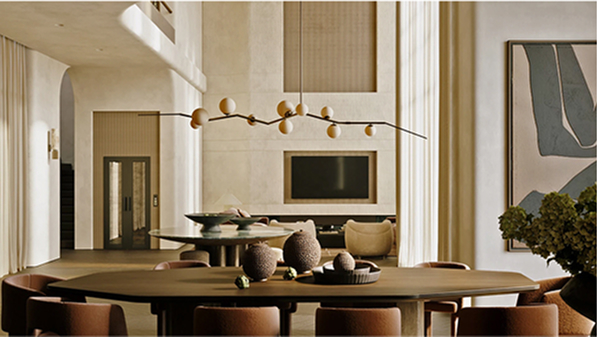
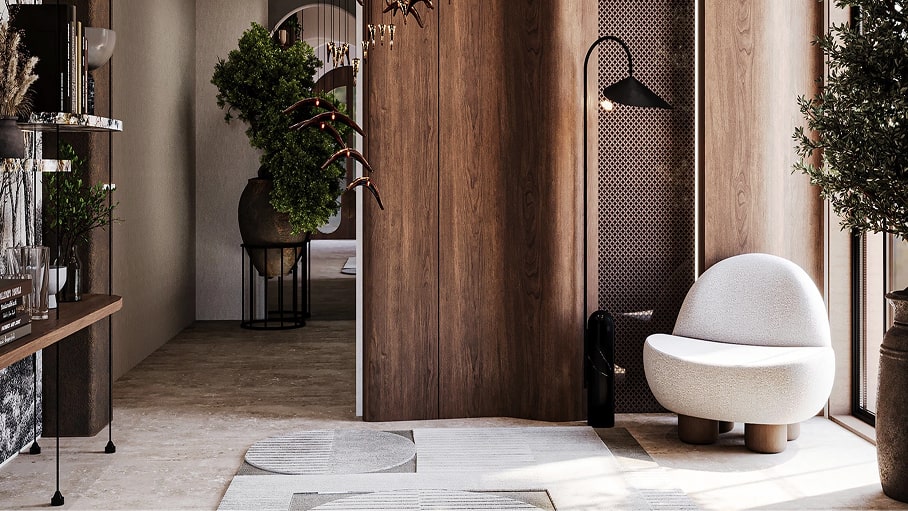
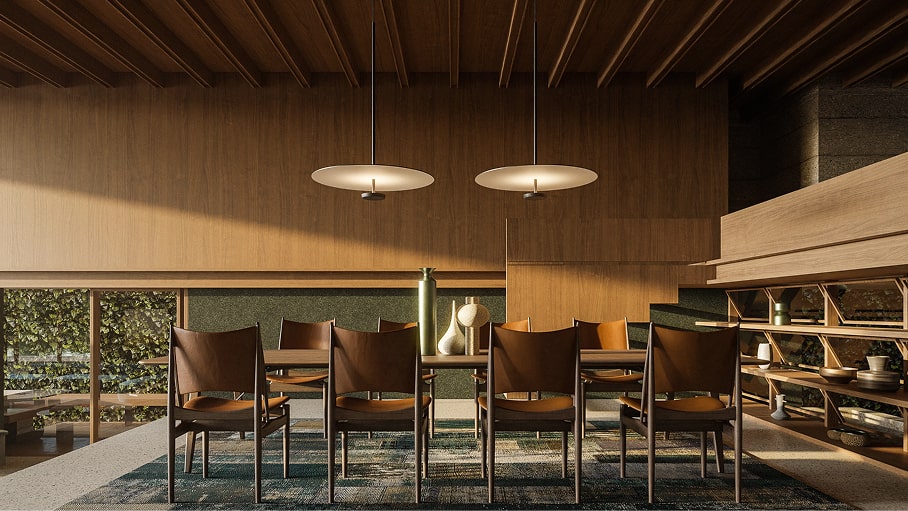
Shizuka Gardens exemplifies the future of luxury hospitality, where sustainability and comfort are not mutually exclusive but complementary. By integrating traditional Japanese aesthetics with modern sustainability practices, Saisei has created a resort that offers an unparalleled guest experience while minimizing its environmental footprint.
Shizuka Gardens stands as a testament to what can be achieved when design and sustainability are given equal importance, making it a true masterclass in sustainable luxury hospitality.